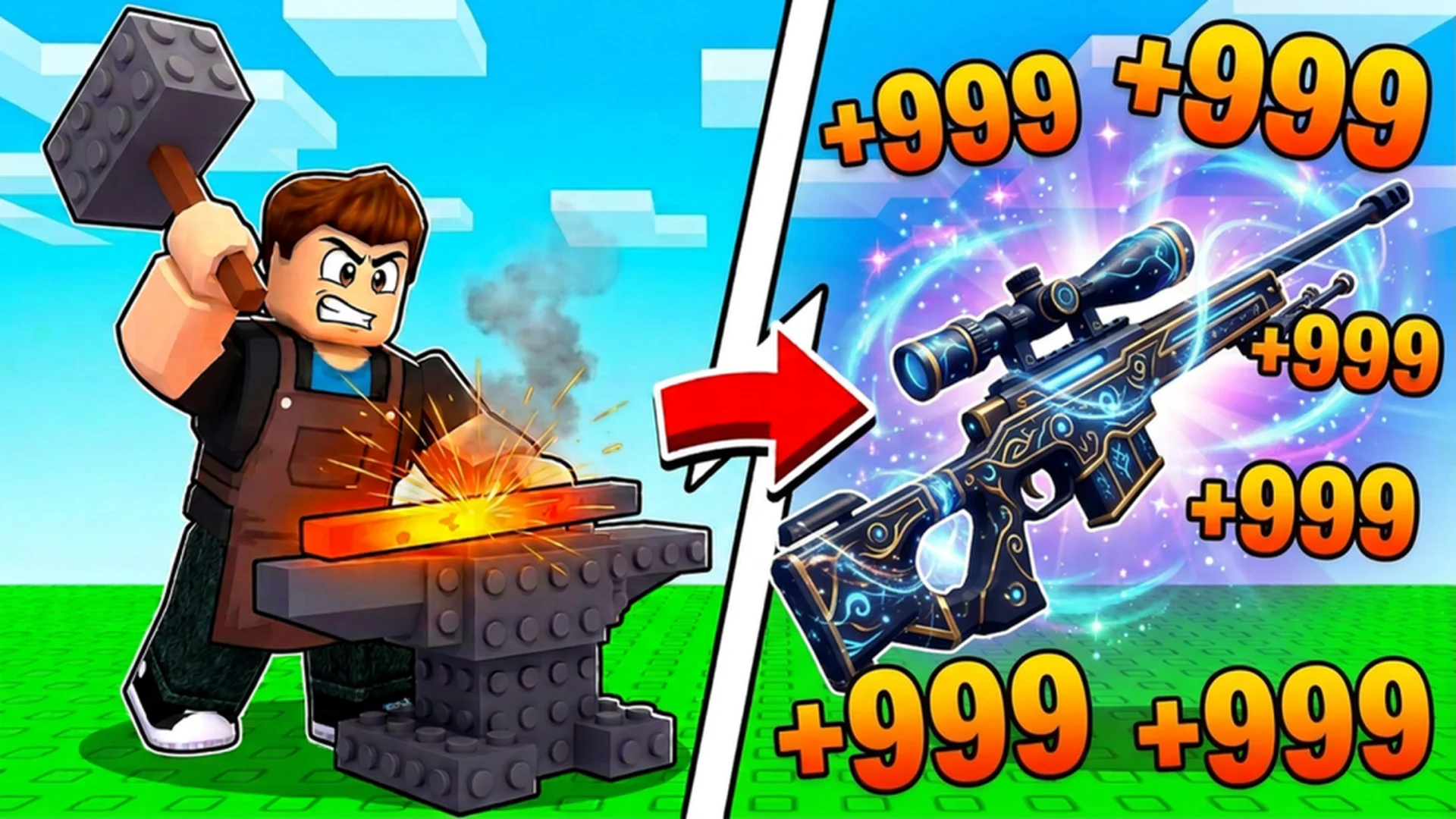
- Gun Forge weapon recipes should be recorded by weapon type, material set, and result.
- Check the forge preview before spending rare materials on an untested combination.
- Start with repeatable materials before experimenting with high-value components.
- Compare weapon variants by damage, speed, range, and the role you want to play.
- Keep a recipe log so successful combinations are easy to reproduce.
Gun Forge Weapon Recipes Explained
Gun Forge weapon recipes are best approached as a crafting system rather than a single list of combinations. A useful recipe record should identify the weapon category, required materials, expected result, and any variant or quality outcome. This makes it easier to compare options and avoid wasting rare components.
The most reliable starting point is the forge interface itself. Before confirming a craft, inspect every visible requirement and preview field. If the interface shows a weapon class, variant, stat range, or result quality, record that information alongside the materials. Recipe results may depend on more than the basic ingredient list, so a copied combination should always be tested against the current in-game display.
| Recipe Record | What to Track | Why It Matters |
|---|---|---|
| Weapon type | Sword, katana, gauntlet, ranged weapon, or other class | Helps compare recipes built for the same role |
| Material list | Every component and quantity shown in the forge | Prevents incomplete or inaccurate crafting notes |
| Result | Name, class, quality, and visible stats | Confirms whether the combination produced the intended item |
| Variant | Alternate form, modifier, or quality tier | Separates similar recipes with different outcomes |
| Test status | Untested, confirmed, or needs retesting | Keeps uncertain information out of your main recipe list |
Beginner Recipes
Focus on common materials and low-risk experiments. These combinations are useful for learning how the forge displays requirements and results.
Progression Recipes
Use materials earned during normal progression to create dependable upgrades without spending your rarest components.
Endgame Experiments
Reserve scarce materials for combinations that have a clear purpose, such as a high-damage build or a specialized weapon role.
Write down the material order, quantities, and preview result before confirming a valuable recipe. A clear record is easier to verify than memory.
How to Organize a Recipe Database
A strong Gun Forge recipe database should be easy to scan while you are actively crafting. Avoid placing every discovery into one long paragraph. Instead, group recipes by weapon class and use consistent labels for materials, result quality, and testing status.
A simple database can use four categories: confirmed recipes, experimental recipes, material targets, and retired notes. Confirmed recipes are combinations you have tested and can reproduce. Experimental recipes still need verification. Material targets show what you need to farm next, while retired notes preserve older discoveries that may no longer match the current forge interface.
| Database Category | Use It For | Recommended Label |
|---|---|---|
| Confirmed | Reproducible combinations with a known result | Verified |
| Experimental | New combinations awaiting a second test | Unconfirmed |
| Material targets | Components needed for a planned craft | Farming |
| Variant notes | Alternate qualities or forms from the same base recipe | Variant |
| Retired notes | Older combinations that need current verification | Review |
When documenting a recipe, use the same order every time:
- Name the weapon category first.
- List materials exactly as shown in the forge.
- Include quantities only after confirming them in the current interface.
- Record the result and any visible variant.
- Add a short note explaining the weapon’s intended role.
- Mark whether the result has been tested more than once.
This structure also helps when comparing recipes shared by different players. If two notes appear to disagree, check whether they describe different variants, different weapon classes, or different crafting tiers.
The crafting preview lists the exact material quantity for every recipe. Check the preview before each craft, and repeat crafts fill in any rare-resource recipe you plan to run regularly.
Step-by-Step Recipe Testing
Testing a weapon recipe should be deliberate, especially when the materials are difficult to replace. The goal is not simply to discover an item once; it is to determine whether the combination is repeatable and worth adding to your regular crafting rotation.
Choose a Clear Objective
Decide what you want from the craft before gathering materials. Your objective might be a faster weapon, a heavier damage profile, a longer attack range, or a specific weapon class. A clear objective makes the final result easier to judge.
Confirm the Material Set
Open the forge and compare your planned materials with the current requirements. Check names, quantities, and available slots carefully. If the interface shows a preview, capture the result details in your recipe notes before confirming.
Craft the Lowest-Risk Test
Begin with a combination that uses replaceable materials whenever possible. This lets you verify the recipe structure without committing your most valuable components to an uncertain experiment.
Inspect the Result
Record the weapon name, class, visible stats, quality, and any variant. Do not judge the recipe from damage alone; attack speed, reach, handling, and your intended build can change its practical value.
Repeat and Classify
Recheck the combination when you have enough materials for another test. If the result is consistent, label the recipe verified. If the result changes, separate the outcomes into variant notes instead of merging them into one entry.
| Testing Stage | Main Question | Correct Action |
|---|---|---|
| Planning | What role should this weapon fill? | Define damage, speed, range, or utility goals |
| Preview | Does the forge show the expected result? | Confirm the displayed requirements before crafting |
| First craft | What item and variant were produced? | Record the complete result |
| Repeat test | Does the combination remain consistent? | Recraft when practical and compare outcomes |
| Final entry | Is the recipe reliable enough to share? | Mark it verified, experimental, or under review |
Separate discovery from recommendation. A recipe can be real but still unsuitable for your build, your available materials, or your preferred combat style.
Comparing Weapon Recipe Results
The best recipe is not automatically the one with the highest displayed damage. A weapon should be judged against the way you actually fight. Fast weapons may reward movement and repeated attacks, while heavier weapons may favor deliberate openings and larger individual hits.
Use a comparison sheet whenever two recipes produce similar weapon classes. This prevents a single visible stat from deciding the entire evaluation.
| Evaluation Factor | Questions to Ask | Best Use |
|---|---|---|
| Damage | How much pressure does one attack provide? | Burst-focused builds |
| Attack speed | How quickly can attacks be repeated? | Mobile or sustained combat |
| Range | How safely can the weapon reach targets? | Spacing and crowd control |
| Handling | Does the weapon feel responsive during movement? | Players who value mobility |
| Resource cost | Can the recipe be crafted repeatedly? | Main weapons and long-term upgrades |
| Variant quality | Does the result improve the intended role? | Finalizing a preferred recipe |
Damage Focus
Prioritize recipes that support strong individual hits. These are useful when you can create safe attack windows and do not need constant movement.
Speed Focus
Favor responsive weapons that let you maintain pressure. Confirm that the material cost remains practical for repeated crafting.
Range Focus
Look for recipes that improve spacing and safer engagement. Range is especially valuable when direct contact is risky.
Balanced Focus
Choose a recipe with dependable performance across several situations instead of maximizing one stat at the expense of all others.
A practical comparison should also include availability. A powerful weapon that requires materials you rarely obtain may be less useful as a main loadout than a slightly weaker option that you can replace or upgrade consistently.
Judge a weapon recipe together with your playstyle and available materials. A balanced, repeatable craft can outperform a stronger but impractical option for regular progression.
Recipe Farming and Crafting Checklist
Once you identify a promising recipe, organize your farming around the materials that matter most. Do not collect everything without a plan. First select the weapon you want, then identify the missing components, and finally choose activities that provide those materials efficiently.
Keep separate totals for materials already owned, materials needed for one craft, and materials reserved for future testing. This prevents accidental spending and makes it easier to decide whether an experiment is affordable.
| Resource Status | Meaning | Recommended Decision |
|---|---|---|
| Owned | Currently available in your inventory | Keep reserved for the planned craft |
| Needed | Required to complete one recipe | Farm before experimenting elsewhere |
| Reserve | Extra materials held for repeat testing | Do not spend without a clear reason |
| Rare drop | Material tied to a higher-tier recipe | Farm it once the recipe is unlocked |
| Excess | More than the current plan requires | Use for controlled experiments or upgrades |
Recipe Preparation Checklist:
- Choose the weapon class and combat role before gathering materials
- Verify every material name and quantity in the forge interface
- Reserve enough components for a repeat test when possible
- Record the result, variant, and visible stats after crafting
- Label each recipe as verified, experimental, farming, or review
A good crafting routine is simple:
- Choose one primary recipe to pursue.
- Set aside the required materials.
- Keep a second option for situations where the primary recipe is too expensive.
- Test variants only after the base combination is documented.
- Update the recipe note whenever the forge interface changes.
Use common or replaceable components for early testing. Save scarce materials for recipes with a clear preview, a defined role, and a realistic plan for repeat crafting.
Gun Forge Weapon Recipes FAQ
Q: What should a Gun Forge weapon recipe entry include?
Record the weapon category, every material and quantity shown in the forge, the resulting item, visible stats, variant information, and whether the combination has been tested or verified.
Q: Should I craft a recipe immediately after discovering it?
Check the forge preview first and decide whether the materials are replaceable. For expensive combinations, reserve enough components for a repeat test before treating the result as reliable.
Q: How do I compare two similar weapon recipes?
Compare damage, attack speed, range, handling, material cost, and variant quality. Then judge both recipes against your preferred combat style and ability to replace the weapon.
Q: What is the safest way to test an experimental recipe?
Start with a low-risk combination, record the preview and result, inspect every visible stat, and repeat the craft when practical. Keep the entry marked experimental until the outcome is consistent.
A reliable Gun Forge recipe guide is built through careful records, controlled testing, and practical comparisons. Verify combinations in the forge before committing rare materials.